
Guide
Types of locks & keys we work with
A plain-English guide to the lock and key types found on doors across South-West London & Surrey — what they are, where they turn up, and what to do if one's giving you trouble.
Not sure what's fitted to your door, or what to ask for when you call a locksmith? Below are the lock and key types our locksmiths see most often across South-West London and Surrey homes and businesses, in plain English. Photos of each are on their way — for now, each entry covers what it is, where it's usually found, and which of our services deals with it.
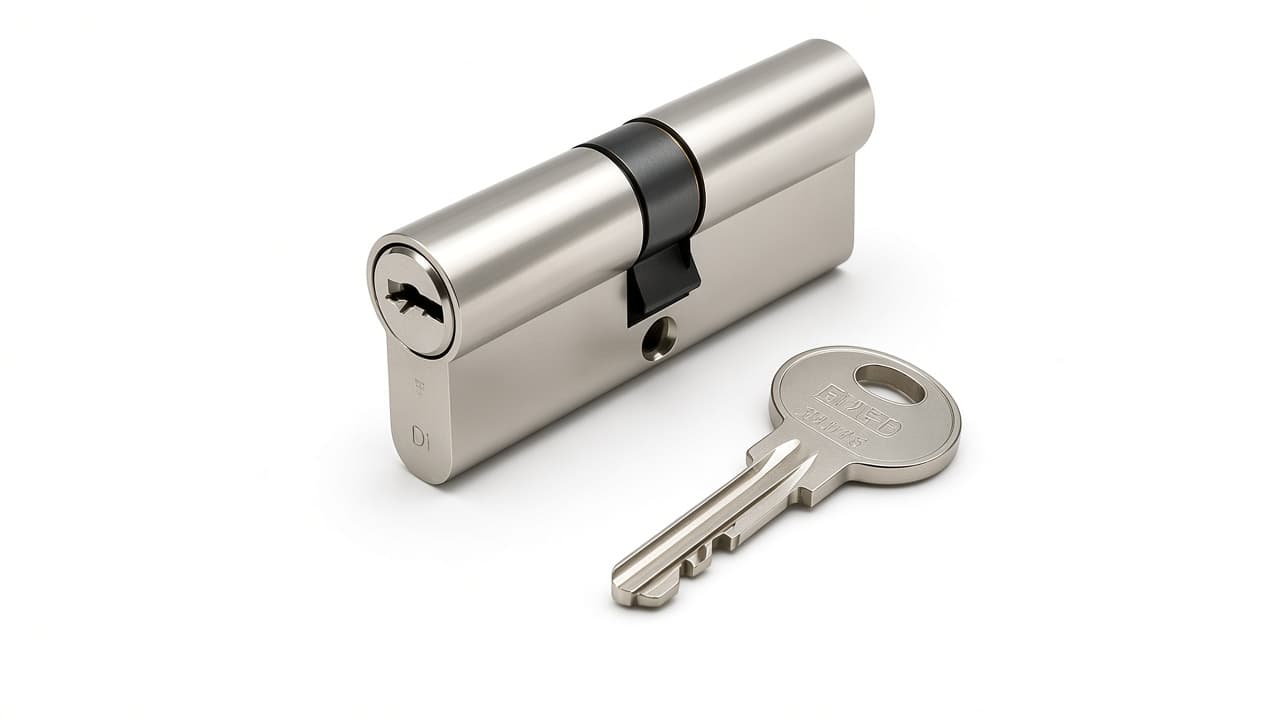
Euro Cylinder Key
The most common key in the UK — operates the cylinder at the heart of most uPVC and composite door multi-point locks.
Commonly found on
uPVC and composite front and back doors
Euro (or euro-profile) cylinders are the standard lock cylinder fitted to the vast majority of uPVC and composite doors in the UK. The key turns the cylinder, which in turn drives the multi-point locking mechanism inside the door.
Not all euro cylinders offer the same protection — older or budget cylinders can be vulnerable to lock snapping, a well-known weak point on uPVC doors. We fit anti-snap, anti-drill and anti-pick rated cylinders as standard.
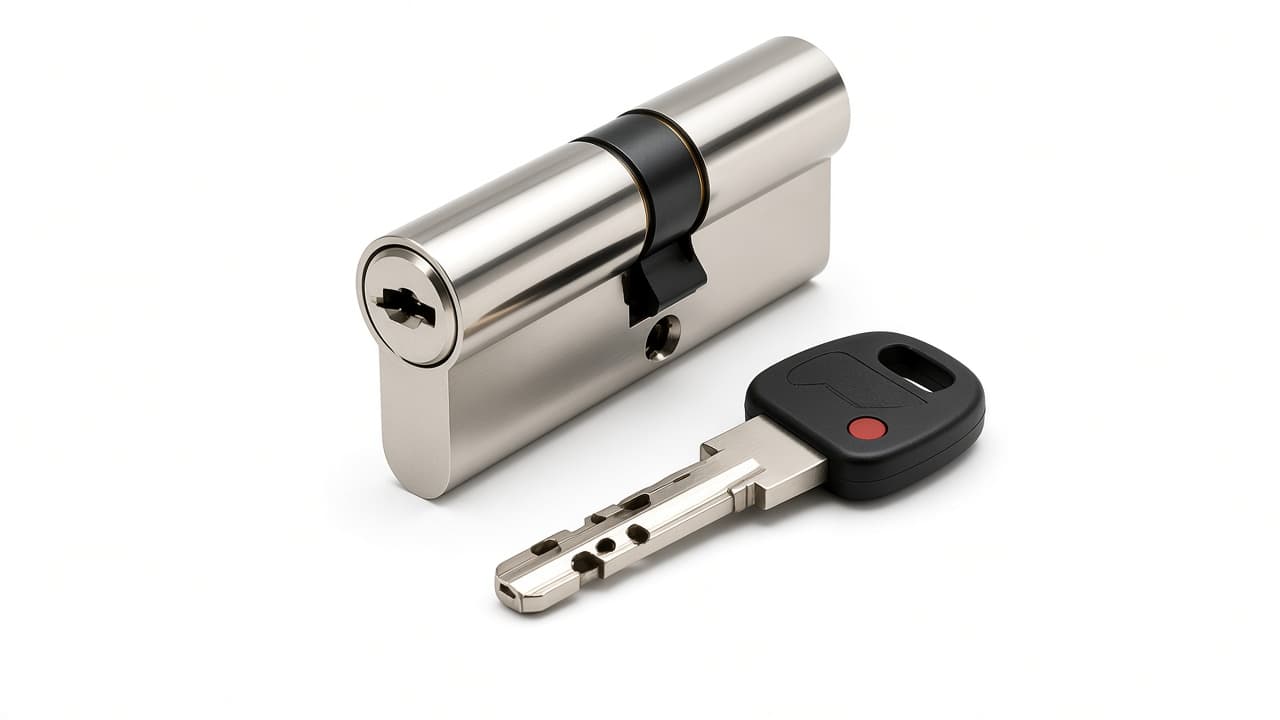
High-Security / Restricted Key
Keys that can only be cut by an authorised locksmith, so copies can't be made without your permission.
Commonly found on
Offices, multi-let buildings, and rental properties
Restricted key systems use a patented key profile that's registered to you or your business. Blanks aren't available on the high street, so keys can only be cut by a locksmith holding the authorisation — usually with proof of identity or a signed order form.
These systems are popular with landlords, managing agents and businesses that need control over who holds a key, and can often be set up as a master key system across multiple doors.
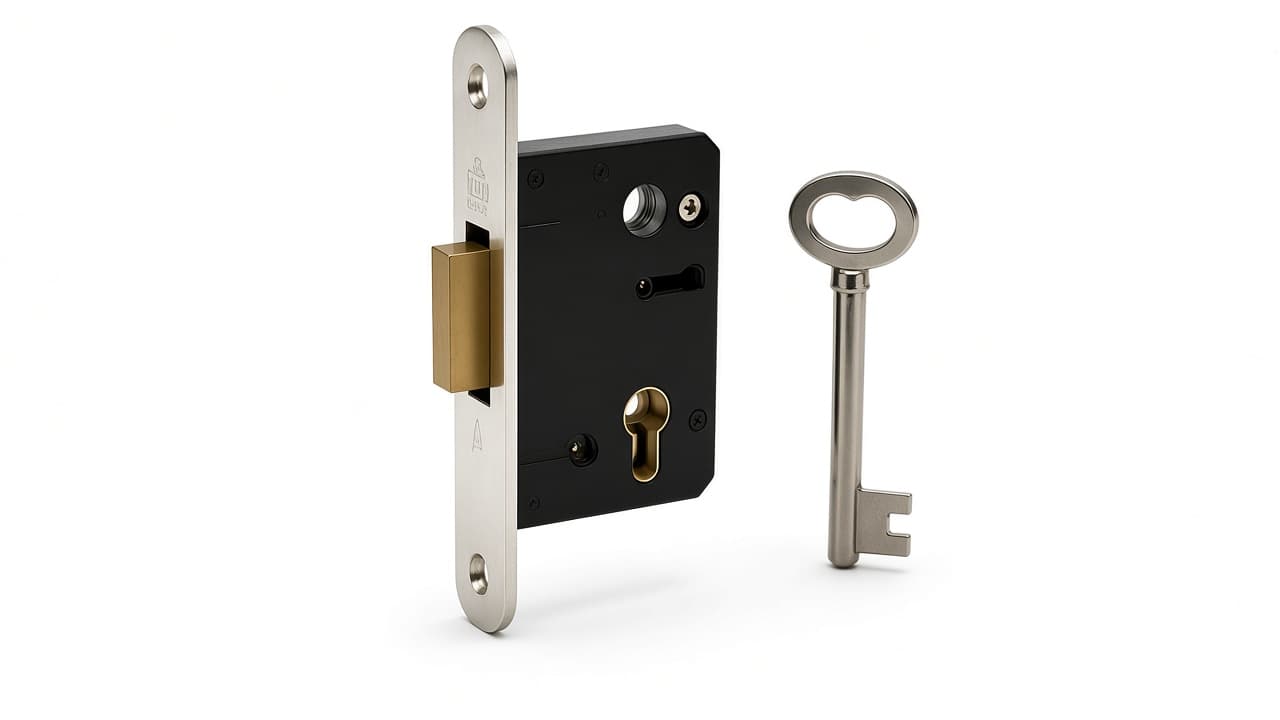
Mortice Key
A traditional key for locks fitted inside the door itself, rather than mounted on the surface.
Commonly found on
Wooden front and back doors
A mortice lock sits in a pocket (the "mortice") cut into the edge of the door, rather than being fitted to the surface. Mortice keys are usually larger and heavier than cylinder keys, with a distinctive cut pattern.
They're most often found on timber front and back doors, frequently paired with a night latch for two independent locking points.
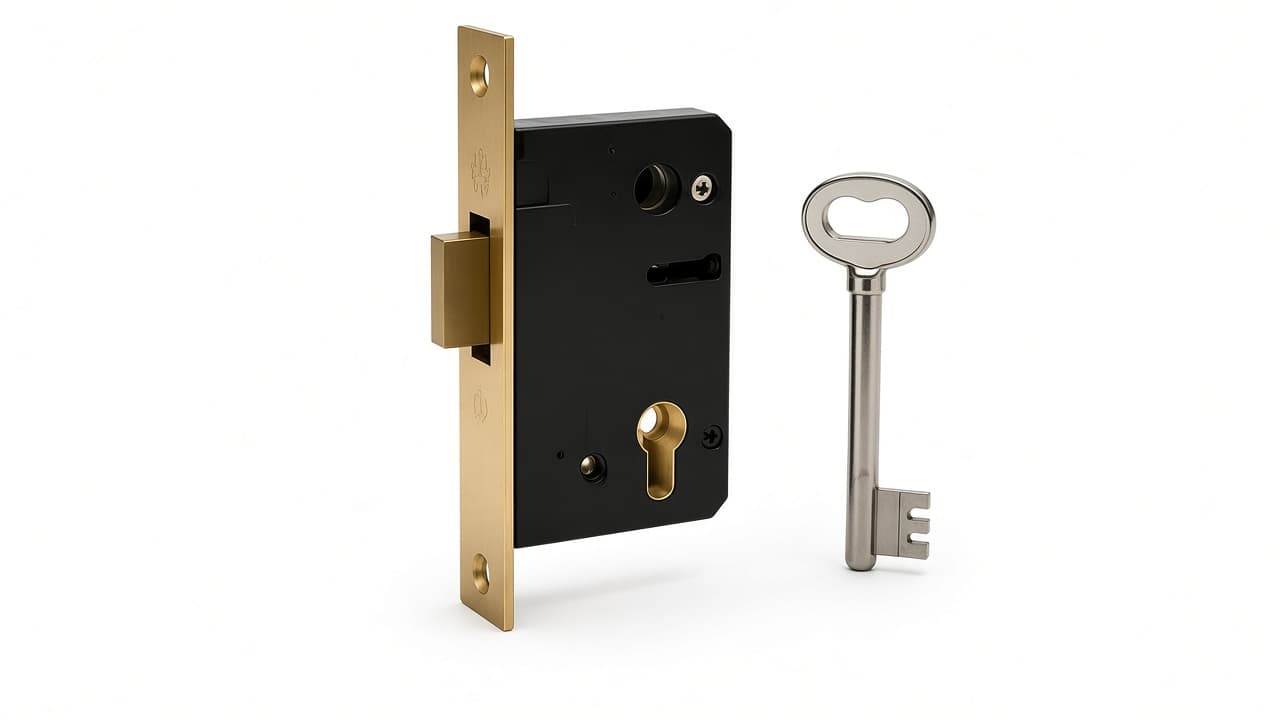
5-Lever Mortice Key
The key for BS3621-rated mortice deadlocks — the standard most UK home insurers require on timber final exit doors.
Commonly found on
Timber front doors, where insurers require BS3621
A 5-lever mortice lock uses five separate levers that must all align correctly before the bolt will move, making it significantly harder to pick than a cheaper 2- or 3-lever lock.
Locks meeting British Standard BS3621 are marked with a kitemark on the faceplate, and are the level of security most UK home insurance policies specify for wooden final exit doors.
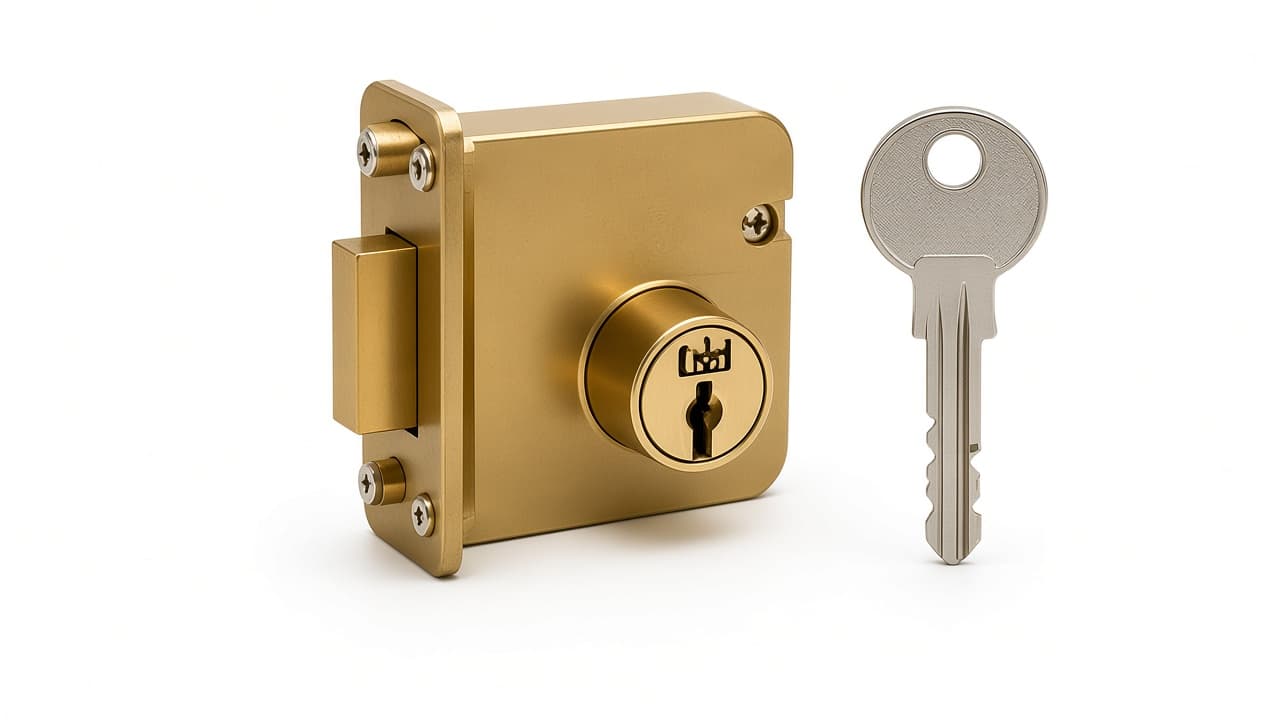
Night Latch Key
The familiar "Yale-style" key that lets a door pull shut and auto-lock behind you.
Commonly found on
Wooden front doors, paired with a mortice deadlock
A night latch (often called a Yale lock, after the best-known brand) is a spring-loaded latch fitted to the surface of the door. It lets you leave without locking up manually — the door self-locks when it closes — while still opening freely from inside via a handle or knob.
Night latches are usually fitted alongside a separate mortice deadlock, since a night latch alone doesn't meet most insurers' security requirements.
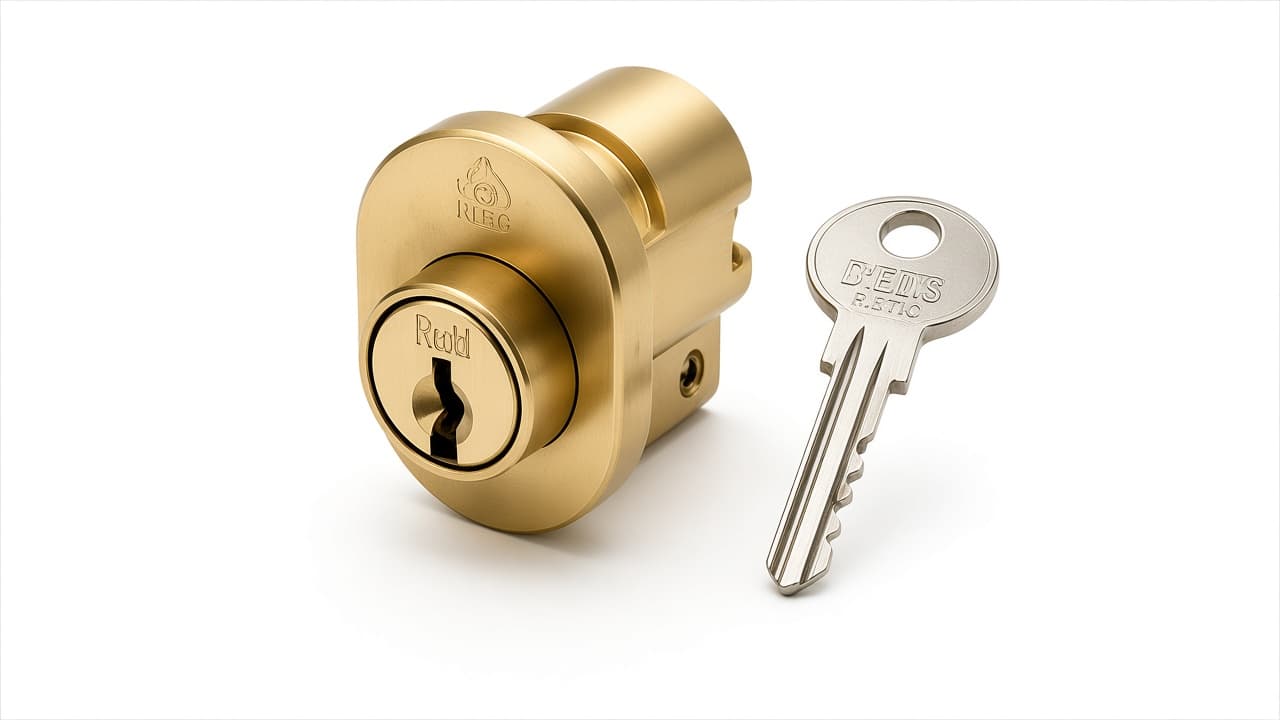
Rim Cylinder Key
The key for the cylinder half of a night latch, mounted on the surface of the door.
Commonly found on
The outside face of night latches on wooden doors
"Rim" refers to the cylinder being mounted on the surface (rim) of the door rather than mortised into it — this is the cylinder component of a night latch, which the key turns from outside to retract the latch.
Rim cylinders wear over time and are a common source of stiff or sticking night latches, which can usually be repaired or replaced without changing the whole latch body.
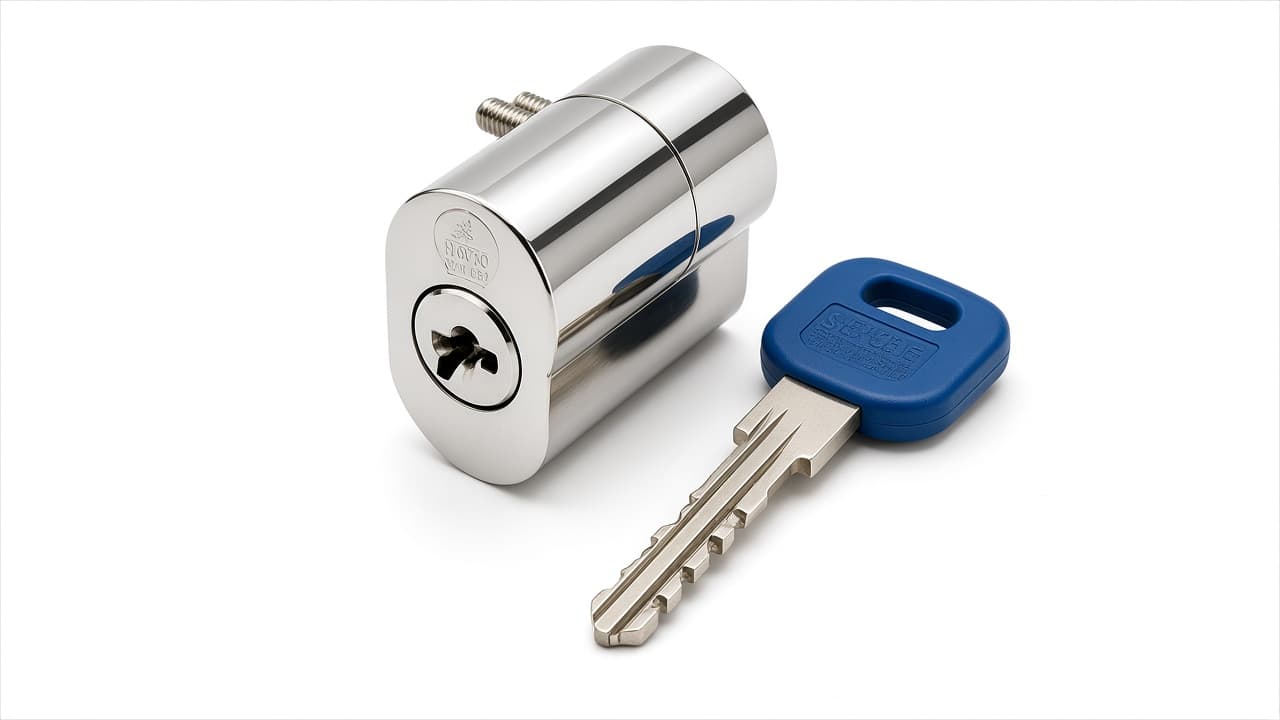
Oval Cylinder Key
Similar to a euro cylinder but oval in profile — found on some uPVC and composite door hardware.
Commonly found on
Some uPVC and composite doors, particularly older installs
Oval cylinders do the same job as euro cylinders — operating a multi-point locking mechanism — but use an oval-shaped profile rather than the more common euro (figure-of-eight) shape, so the two aren't interchangeable.
They're less common than euro cylinders in newer UK doors, but still turn up on older installations and some specific hardware ranges, so it's worth confirming which profile your door uses before buying a replacement.
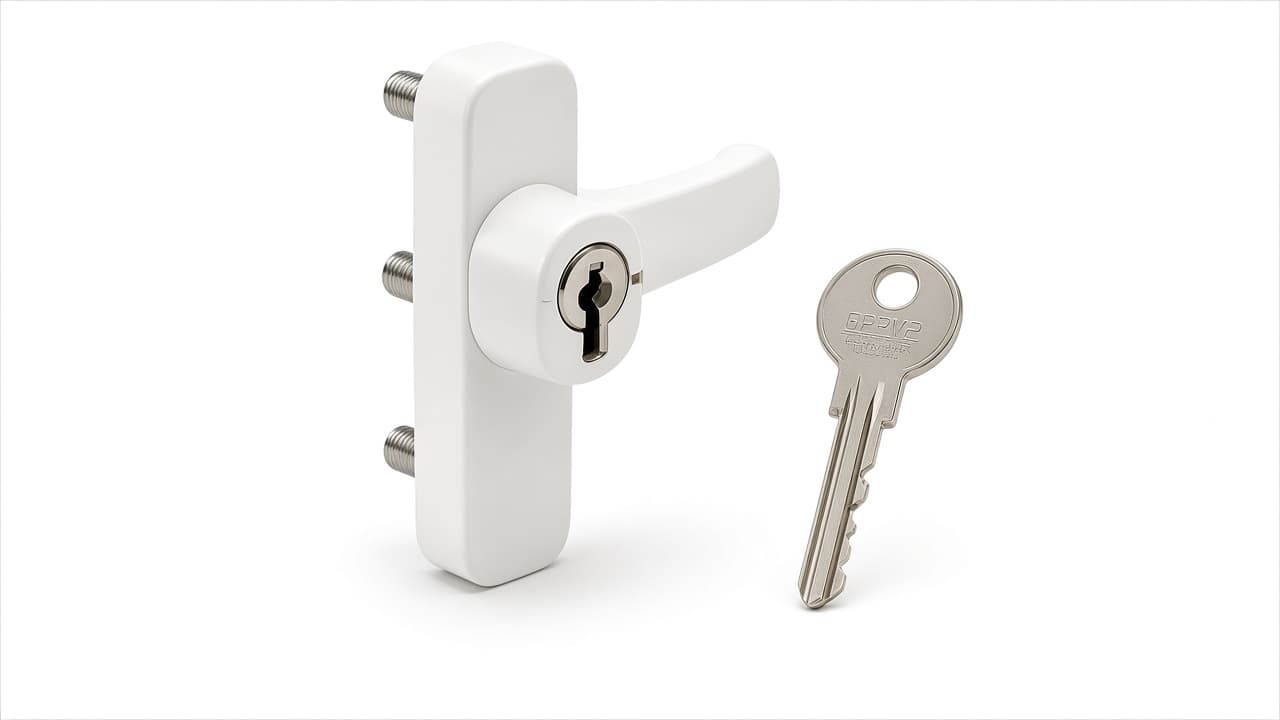
uPVC Door Key
The everyday key for a uPVC door — almost always a euro cylinder operating a multi-point lock.
Commonly found on
uPVC front, back and patio doors
"uPVC door key" isn't a lock type in itself — on the vast majority of UK uPVC doors, it's simply the key for a euro cylinder, driving a multi-point locking mechanism built into the door.
If your uPVC key is sticking, hard to turn, or the door won't lock properly, the fault is more often the multi-point mechanism or a misaligned door than the key itself — worth a proper diagnosis before replacing anything.
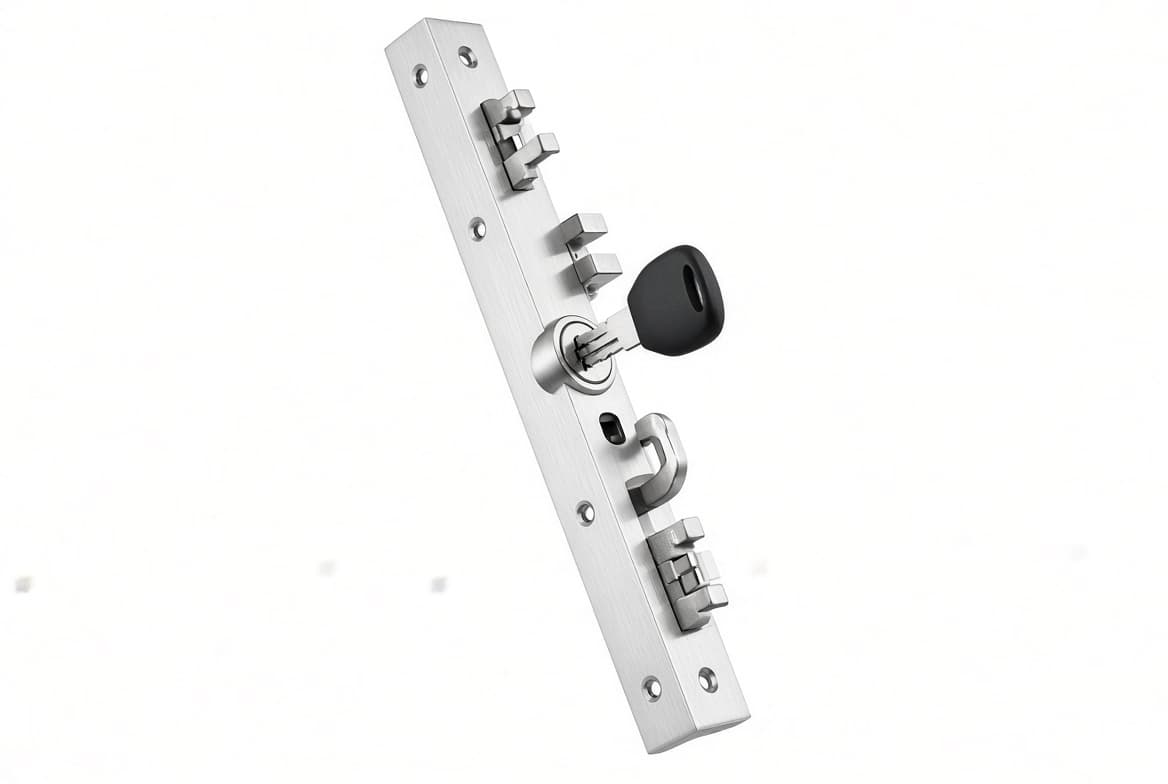
Multipoint Lock Key
Operates a mechanism that locks a door at several points along its edge, not just one.
Commonly found on
uPVC and composite doors
Multi-point locks engage at several points along the edge of the door — often top, middle and bottom — when the handle is lifted and the key turned, rather than relying on a single bolt like a traditional lock.
This spreads the load across the frame and makes forced entry significantly harder, which is why multi-point systems are now standard on almost all new uPVC and composite doors.
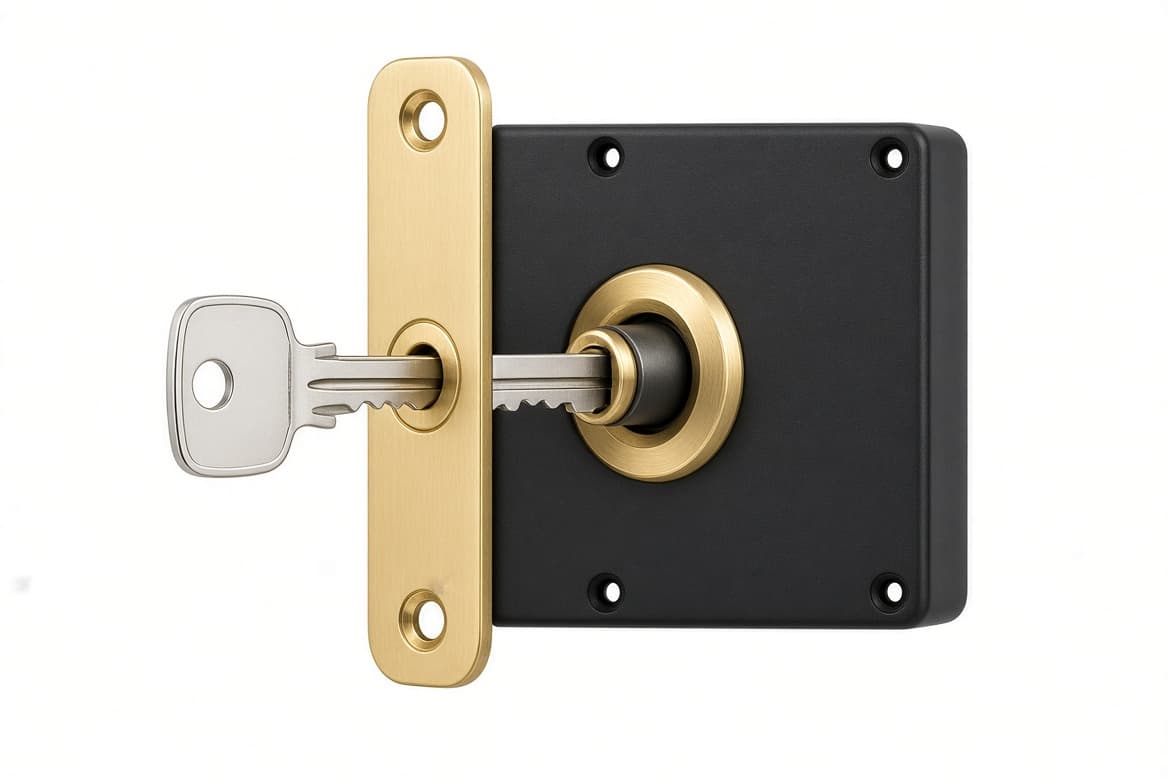
Security Lock Key
General term for keys to higher-security rated hardware — anti-snap, anti-pick and anti-drill cylinders.
Commonly found on
Upgraded cylinders on uPVC, composite and timber doors
"Security lock" is often used as a general term for hardware built to resist specific attack methods — anti-snap cylinders that sacrifice themselves at a weak point rather than exposing the mechanism, anti-pick pins, and anti-drill plates.
If your current locks predate these standards, upgrading the cylinder is usually a same-visit job and one of the most cost-effective security improvements you can make.
Common questions about lock types
What's the difference between a euro cylinder and a mortice lock?+
A euro cylinder sits inside a keyway in the door and usually drives a multi-point locking mechanism, most common on uPVC and composite doors. A mortice lock is a self-contained unit fitted inside a pocket cut into the door edge, most common on timber doors.
Do I need a 5-lever BS3621 mortice lock for my home insurance?+
Most UK home insurers require BS3621-rated locks on final exit doors — for timber doors this usually means a 5-lever mortice deadlock. Check your policy wording, or ask us and we'll confirm what your door needs.
What is lock snapping, and how do I protect against it?+
Lock snapping is a technique used to force euro cylinder locks by snapping the cylinder at a weak point near the keyway. Anti-snap rated cylinders are designed to break at a sacrificial point that doesn't expose the internal locking mechanism, stopping the attack.
Can I get a spare key cut for a restricted key system?+
Only an authorised locksmith can cut keys for a restricted system, usually after confirming your identity or authorisation on the account. If we installed your system, get in touch and we can arrange additional keys.
Not sure which key or lock you've got? Call 07345 686 898 and describe it, or send us a photo — we'll tell you exactly what you're dealing with.
Locked out right now?
We're on our way — call now for an emergency call-out, any hour of the day.